


Portugal, a country with a rich winemaking tradition that dates back to Antiquity, and which has become one of the most well-known wine-producing nations in the world. The history of wine in Portugal begins with the Tartessians, Phoenicians, Greeks, and Celts, between the 20th and 4th centuries BC, who introduced grape varieties and planted vineyards in the territory that is today Portugal. It was the Romans, from the 2nd century BC, who introduced the modernization of vine cultivation, such as pruning. The wine fermented in clay jars.
The wine is sent to Rome in amphorae, where demand exceeds supply. In the Middle Ages, the Christian reconquest wars against the Moors lead to the destruction of the vineyards.
After the total reconquest of Portugal in 1249 and the religious orders establishing themselves across Portugal (Templars, Cistercians, among others) and becoming active centers of agricultural colonization, vine cultivation began to spread again and wine then entered the diet of medieval men, as its importance stemmed from its role in religious ceremonies.
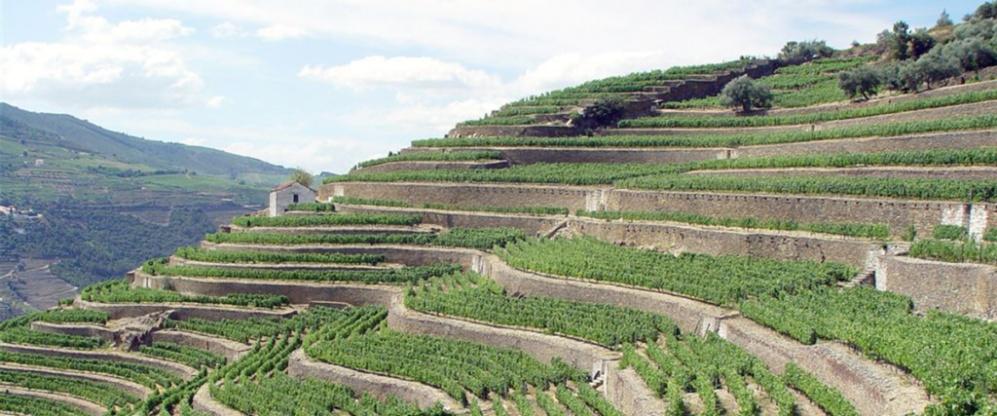
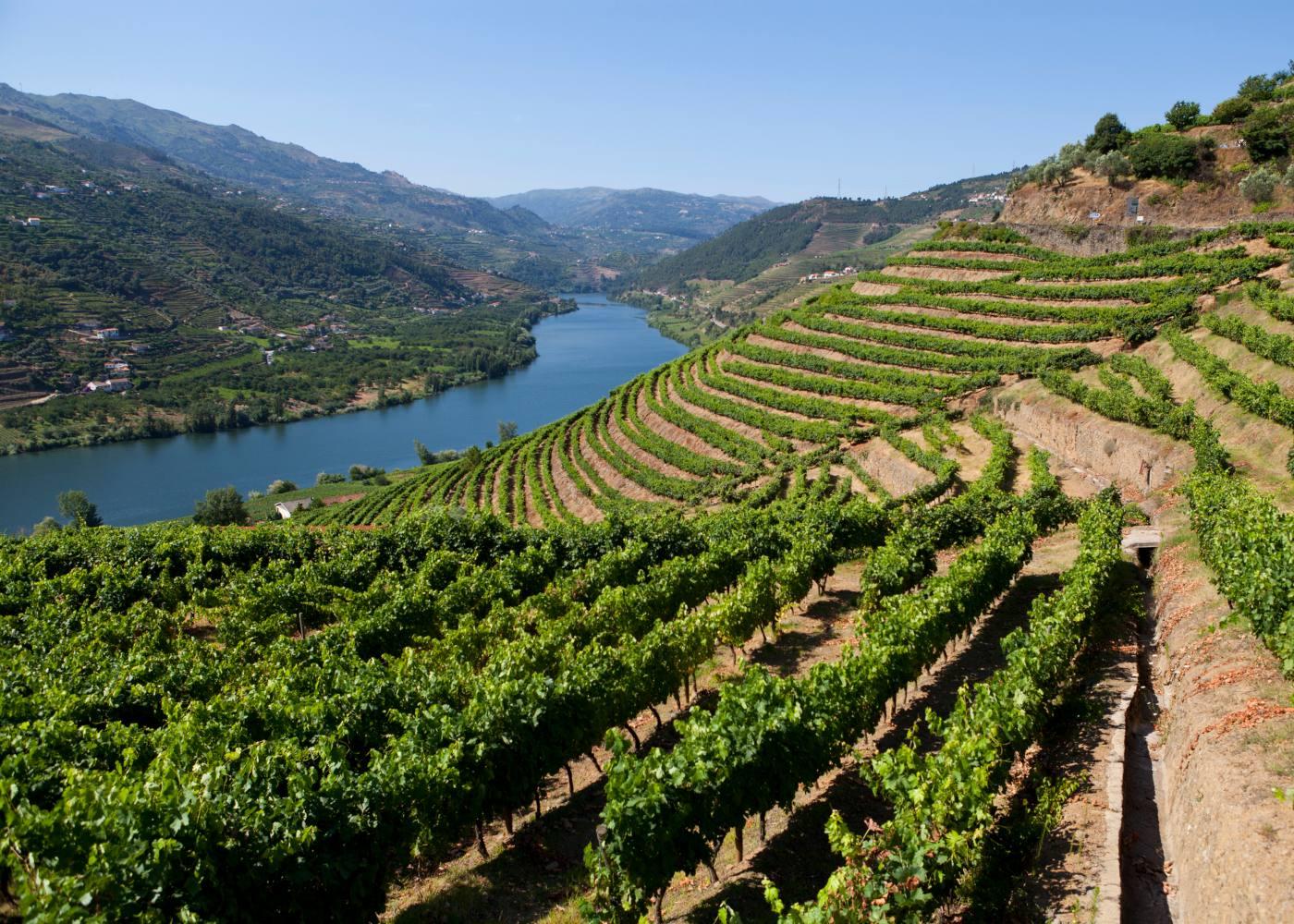
Hence the interest of the clergy, churches, and monasteries in vineyard cultivation. Wine production increased significantly, as did exports. The 15th century marked the beginning of Portuguese maritime expansion, which had a significant impact on viticulture. The need for durable wines for long sea voyages led to the development of fortified wines, such as Port wine. The Douro region was demarcated as a wine region by the Marquis of Pombal in the 18th century, the first regulated wine region in the world, consolidating the global importance of Port Wine.
From here we will set out to discover the various Portuguese wines, accompanied by flavors, history, and regional traditions.
Portuguese wine is very well known not only for its quality, but also for the diversity, both of wines and of grape varieties used to produce these same wines – currently there are more than 250 native grape species.
The duration of these tours can range from one day to several days.
THIS TOUR IS MADE TO YOUR MEASURE.
With departures and arrivals from anywhere in Portugal.
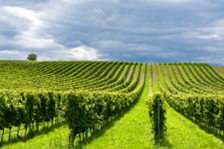
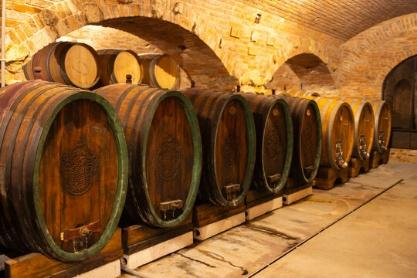
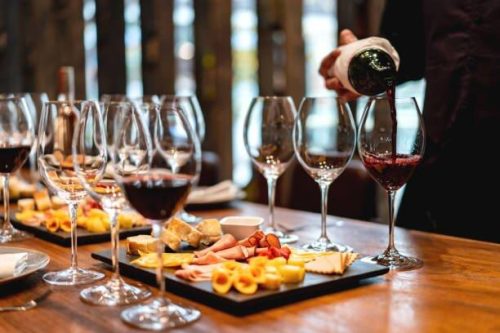
Tell us the region you want to visit and we will present a program with visits to the vineyards, going through the production up to the wine tasting.
How to classify Portuguese wines?
With Portugal's entry into the European Union, the country gained designations of origin. They are:
DOC or DOP
Wines with a more rigorous origin are thus classified – Controlled Designation of Origin (DOC) or Protected Designation of Origin (PDO). One of the criteria of this classification is the maximum amount of grape harvest.
Regional Wine
Another parameter that classifies Portuguese wines is the Geographical Indication (GI) or Protected Geographical Indication (PGI). More simply, Regional Wine.
Table Wine
The last criterion in the classification of Portuguese wine is Table Wines, which are not subject to quality, origin, or grape variety control standards.
Mainland Portugal has 12 Demarcated Regions, which you can choose for your visits.
Choose based on this list of winery tours and experiences:
Tours
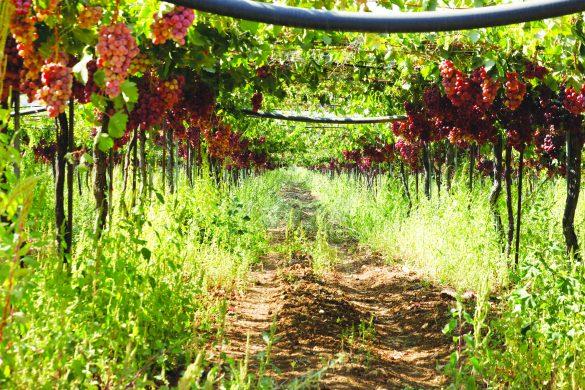
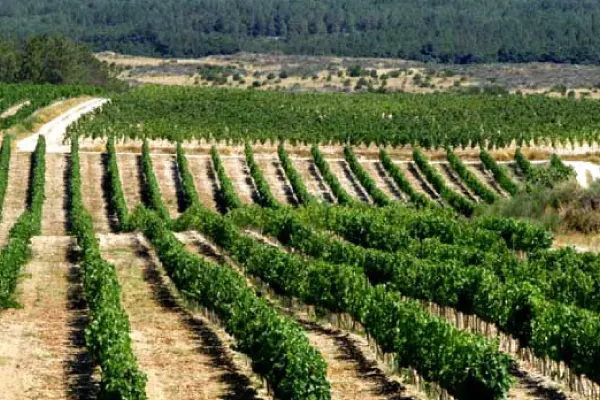
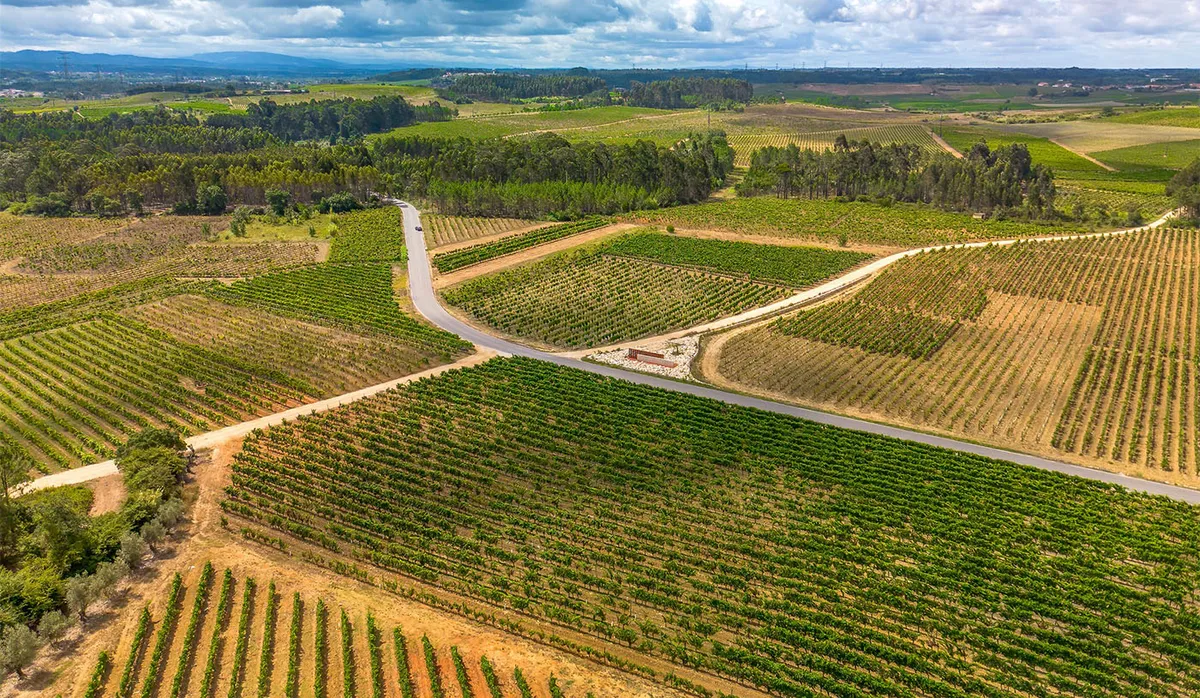
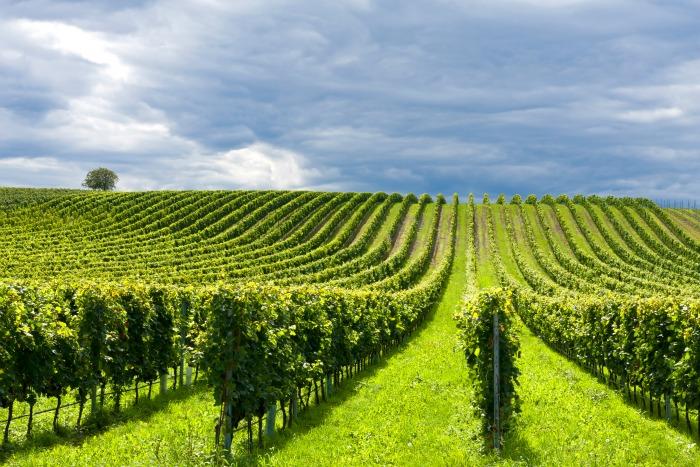
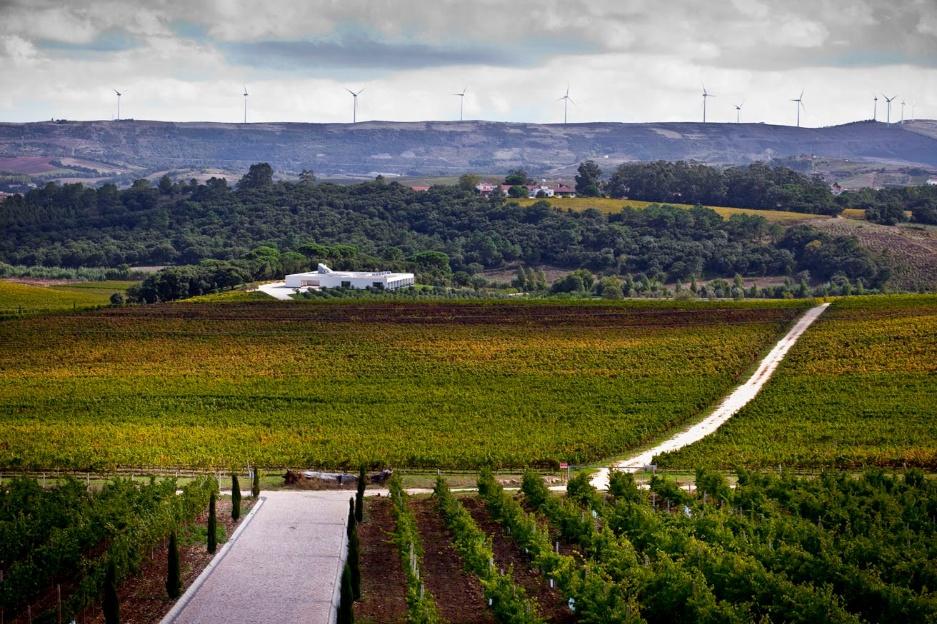
Lisbon Tour
(IG - Lisbon / DOC - Encostas d'Aire, DOC - Óbidos, DOC - Alenquer, DOC - Arruda, DOC - Torres Vedras, DOC - Lourinhã, DOC - Bucelas, DOC - Carcavelos and DOC - Colares)
Get in touch with us:
E-mail:
miguelmira@superbtours.pt
Phone number (via WhatsApp):
+351 918 135 669