


1972 – Volkswagen Kombi
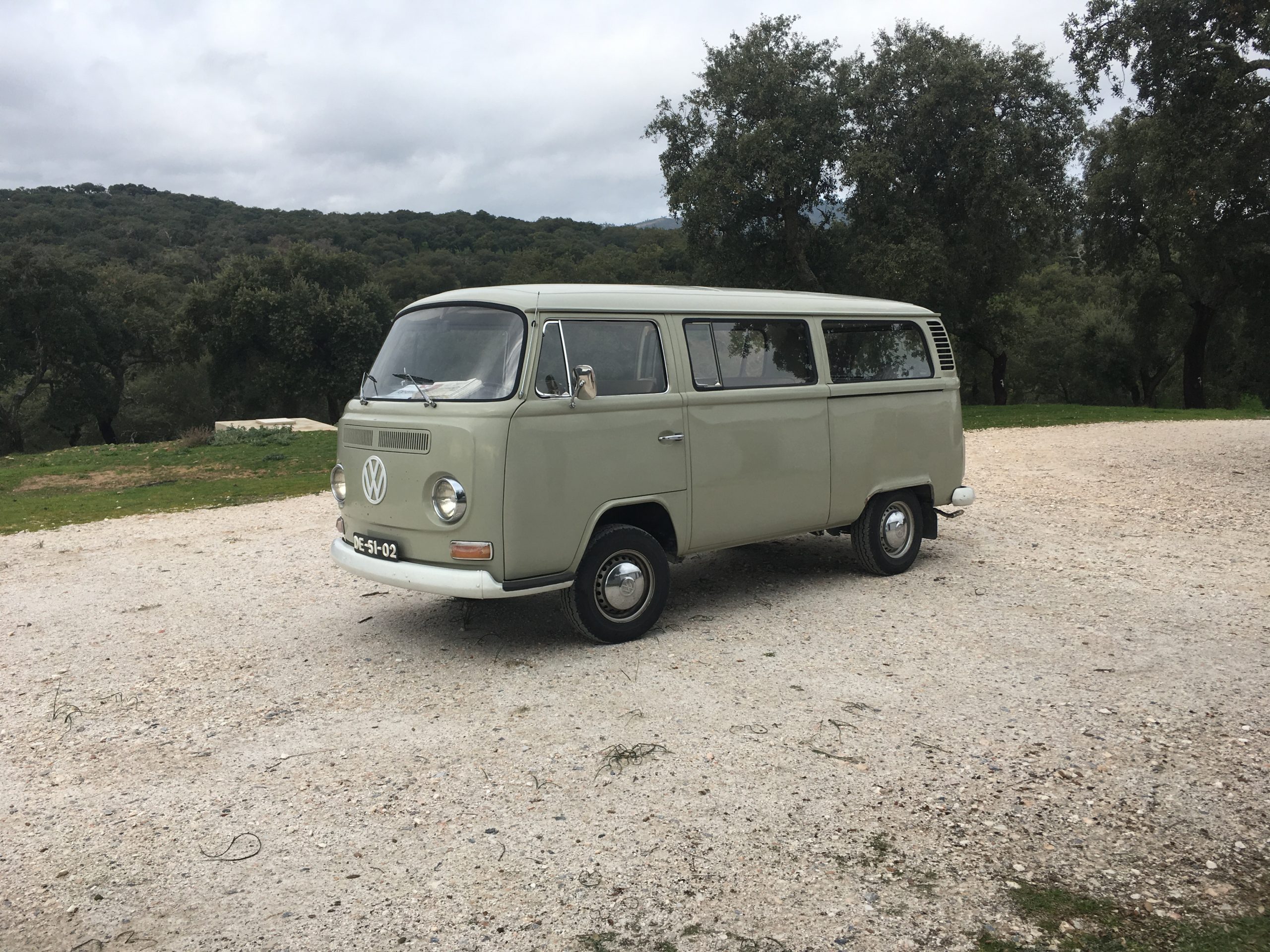
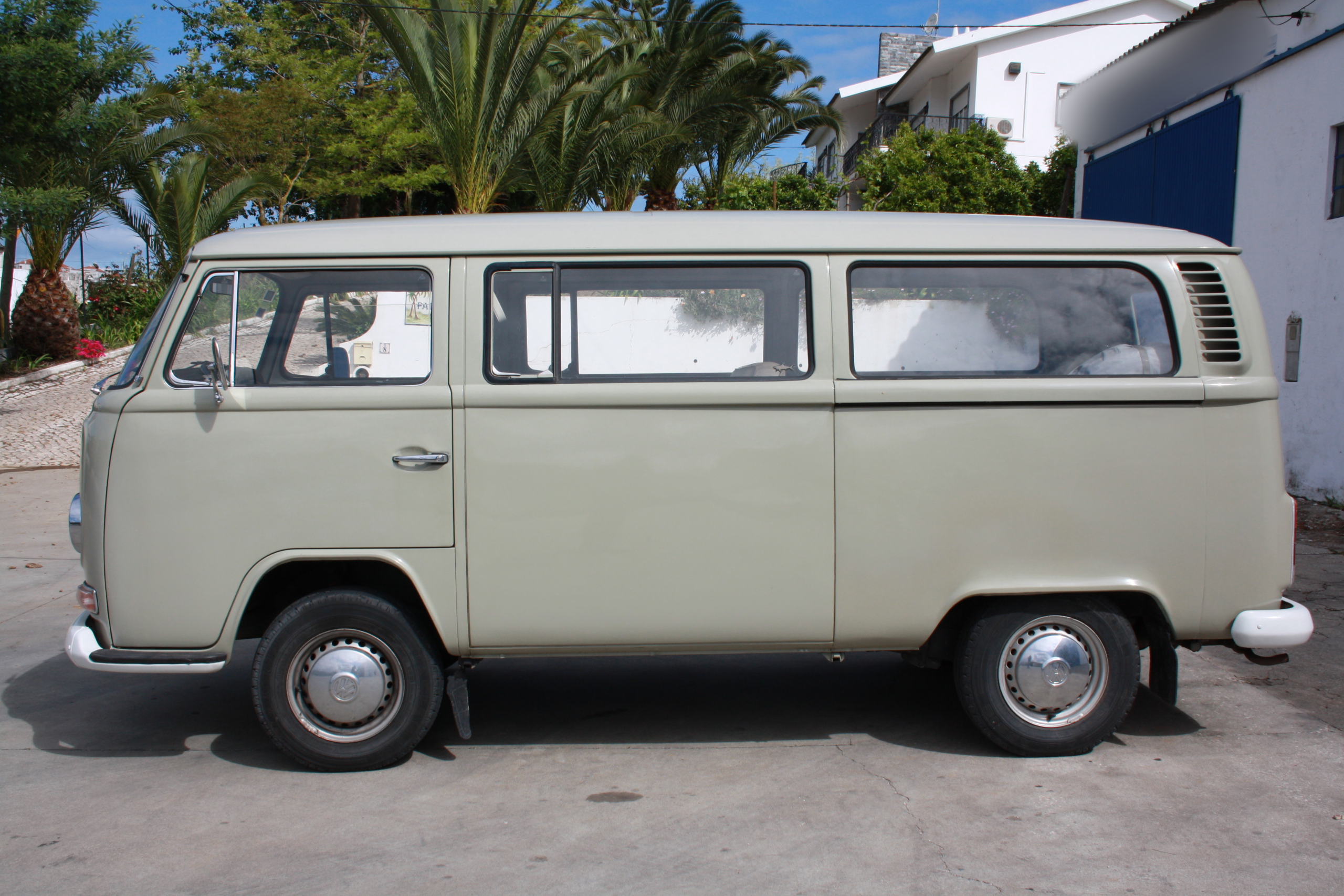
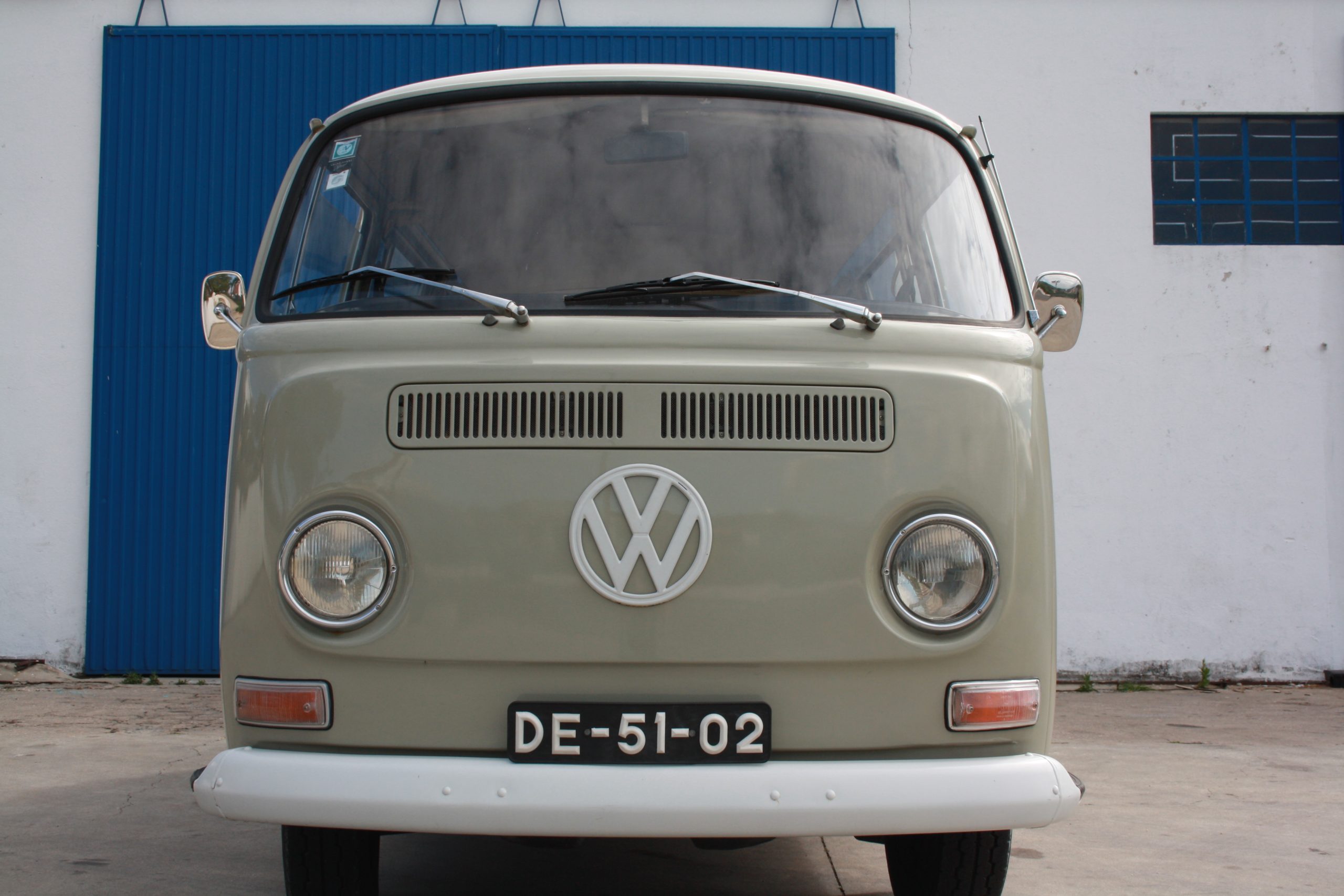
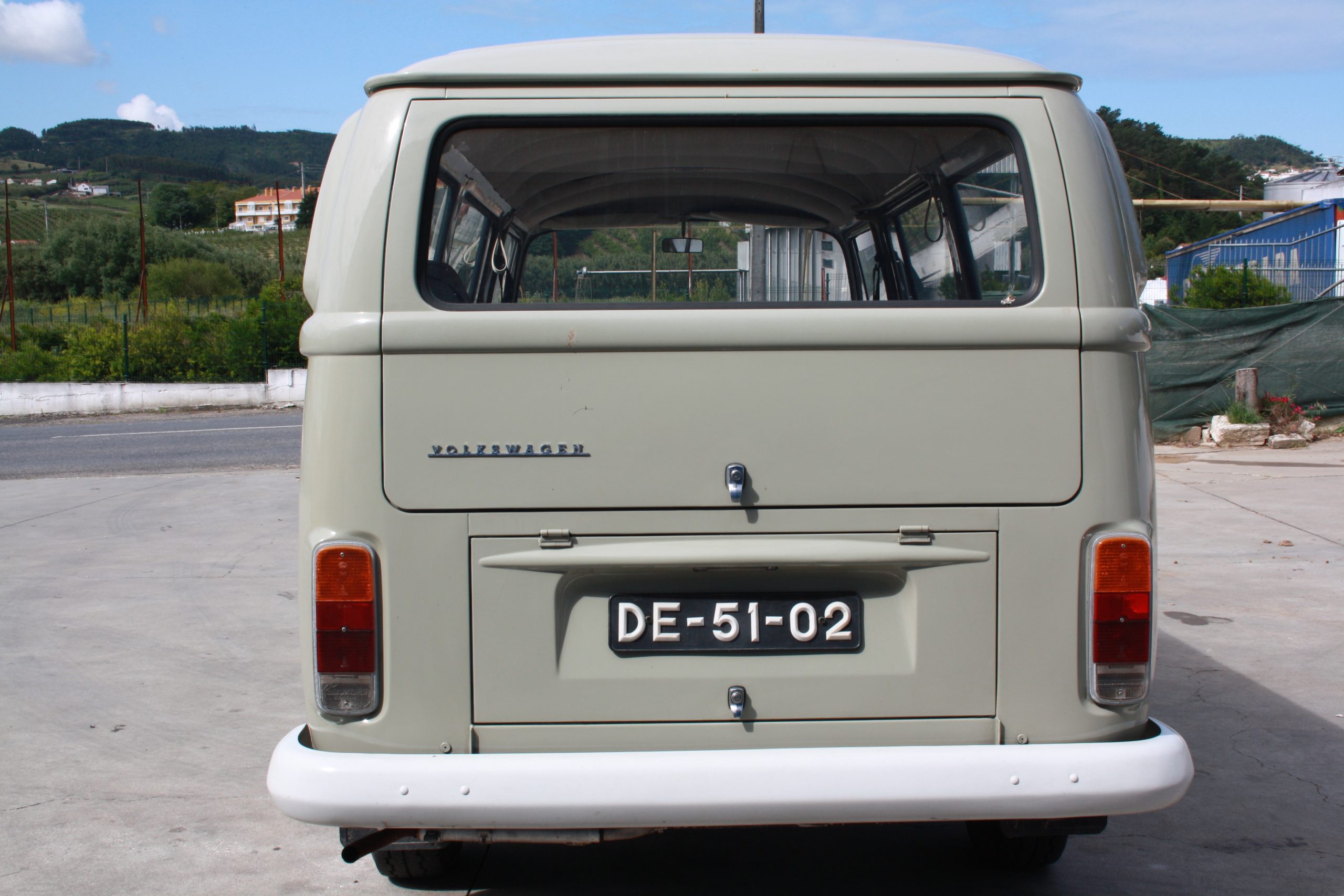
The name Kombi comes from the German Kombinationfahrzeug, which means "combined vehicle" (or "Multi-Use Vehicle," in a freer translation).
Better known in Portugal as "sliced bread" due to its resemblance to it.
The concept behind the Kombi emerged in the late 1940s, the idea of the Dutch importer, who noted in his notebook designs of a type of vehicle that had never been seen before, built on the chassis of the “Beetle.”
The first prototypes had terrible aerodynamics, but after being worked on at the Technical University of Braunschweig, they gave the car, despite its unconventional shape, better aerodynamics compared to the initial prototypes with a straighter front.
Tests then followed with the new bodywork, but due to the fragility of the resulting vehicle, a new base was designed for the utility vehicle, based on the concept of a monocoque chassis.
Finally, three years after the first design, the Kombi hit the streets on March 8, 1950.
Technical Characteristics
Brand: VOLKSWAGEN
Model: KOMBI
Year: 1972
Engine capacity: 1584cc
Number of cylinders: 4 Boxer Cylinders
Fuel: Gasoline
Power: 52Hp
Transmission: 4-speed Manual Gearbox + Reverse
Maximum speed: +/- 110Km/h