

UNESCO 2 Tour
This tour covers World Heritage Sites and Intangible Cultural Heritage. The first refers to a region or site that is considered by the scientific community and the United Nations Educational, Scientific and Cultural Organisation (UNESCO) to be of fundamental importance (natural or cultural) to humanity, thus seeking to preserve it for future generations. Intangible Cultural Heritage, on the other hand, refers to cultural practices, expressions and knowledge that are passed down from generation to generation, recognised by UNESCO as an essential part of cultural diversity.
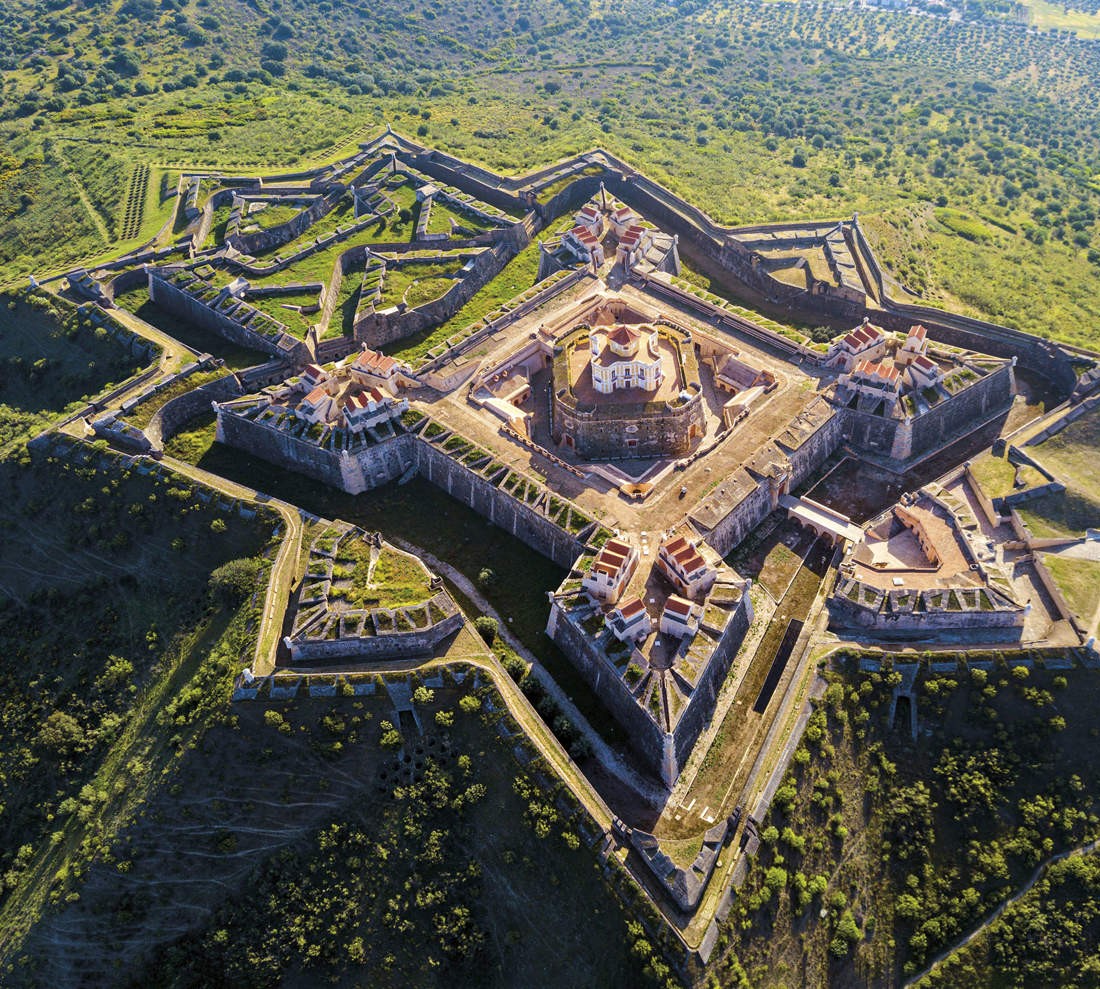
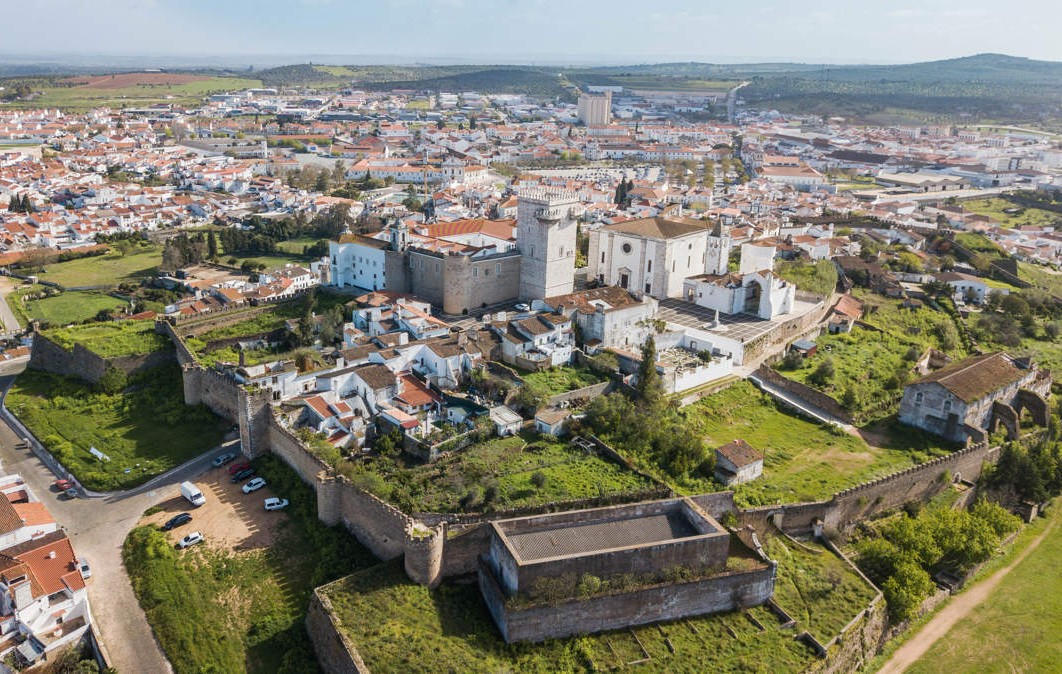
Elvas, also known as the ‘Queen of the Frontier,’ has been on the UNESCO list since 2012. It was heavily fortified from the 17th century onwards, with the aim of guarding the main frontier between Lisbon and Madrid after Portugal recovered its independence from Spain in 1640. This system of dry moats became, at the time, the largest in the world and the best surviving example of the Dutch school of fortifications. Within the walls of Elvas, there are cuartels and other military buildings, as well as churches and monasteries. The city was supplied with water by the monumental Amoreira Aqueduct, 31 metres high at its highest point, which stretches from the spring at Amoreira to the Fonte da Misericórdia fountain in the centre of Elvas, covering almost 8 km, allowing the fort to withstand a long siege.
Its fortifications, together with the Forts of Santa Luzia and Nossa Senhora da Graça, are considered to be among the largest, best preserved and most impressive bastioned fortifications in the world. Like the centre of Elvas, they are very well preserved.
Another impossible sight to ignore is Elvas Castle, which dominates the entire city from the top of a hill and has been the scene of several important events in the country's history: from peace treaties to exchanges of princesses and royal weddings. Elvas Castle became the first Portuguese National Monument in 1906...
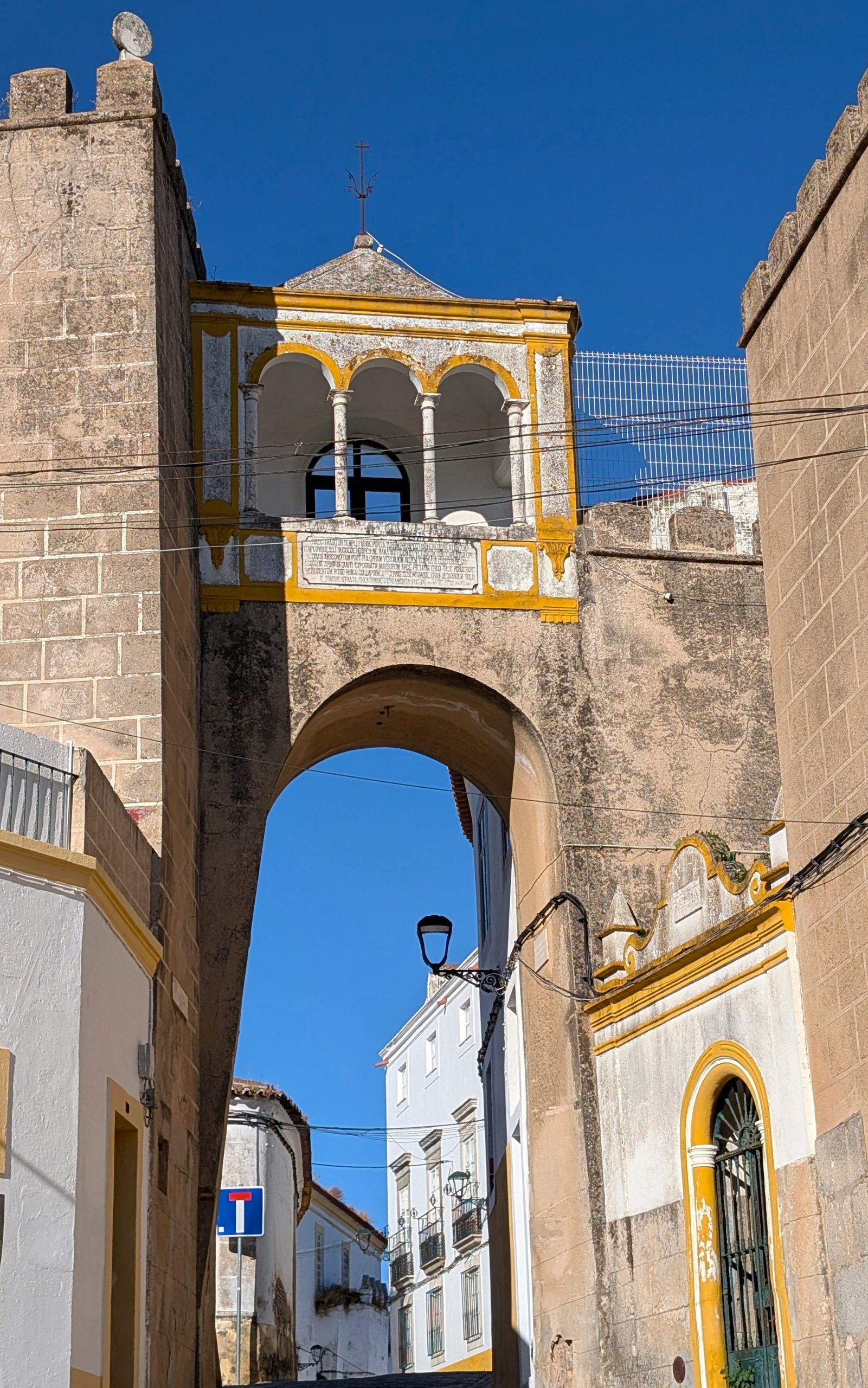
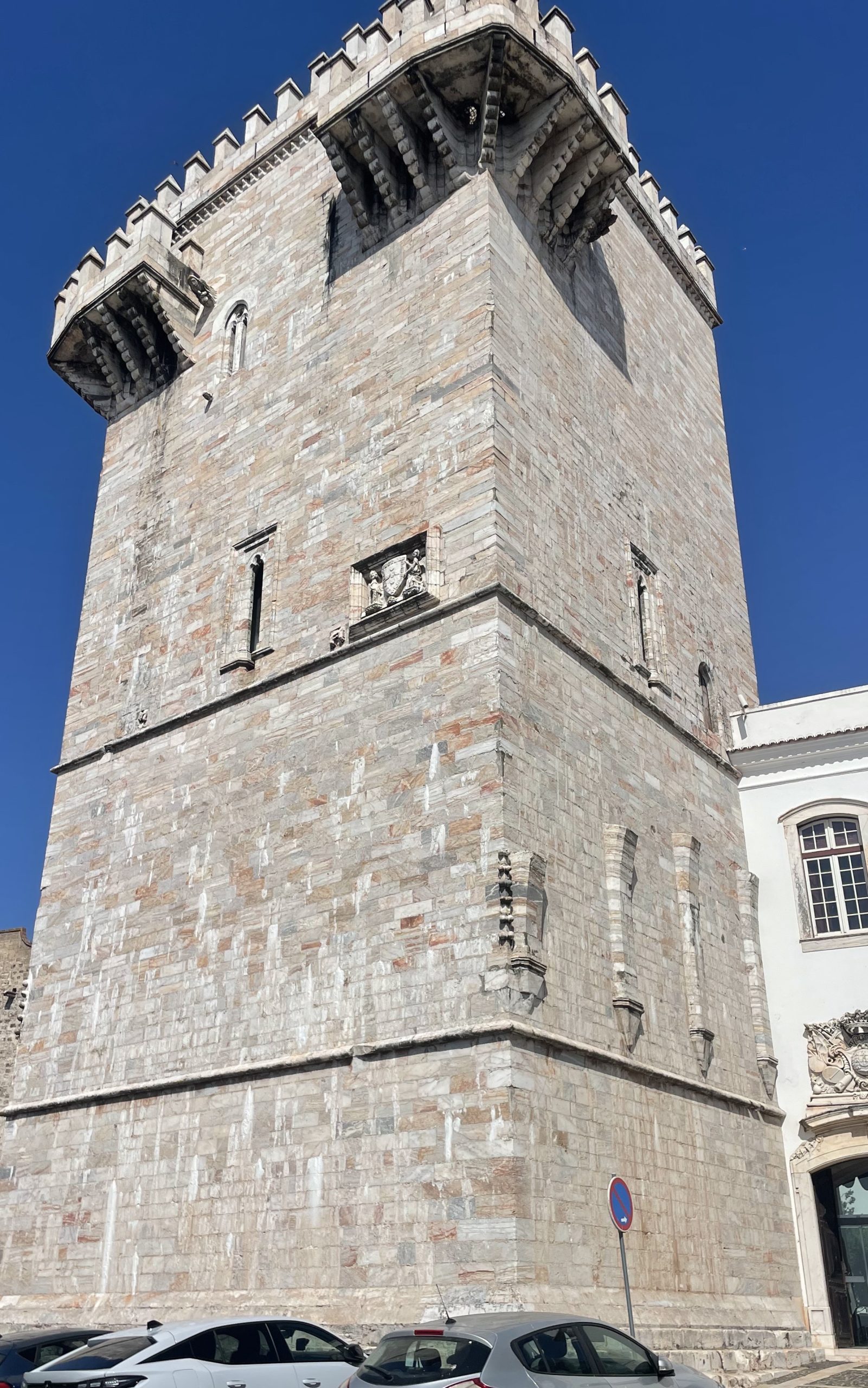
After this visit, we will visit Estremoz, the ‘white city’ as it is known. This name is due not only to the colour of the houses, but also to the white marble quarries, the famous ‘Estremoz Marble’, which has made the city internationally renowned. The extraction of this raw material in the Alentejo region makes Portugal the second largest exporter in the world, with Estremoz contributing around 90% of the total marble production.
In addition to marble, this city is also known for the wines and olive oils produced in the region.
The Estremoz region has been inhabited since Neolithic times and has been the scene of major historical events. Transformed into a ‘war zone’, countless battles of great importance to Portugal and our history took place here. Two were decisive for Portugal's independence: the Battle of Ameixial and the Battle of Montes Claros.
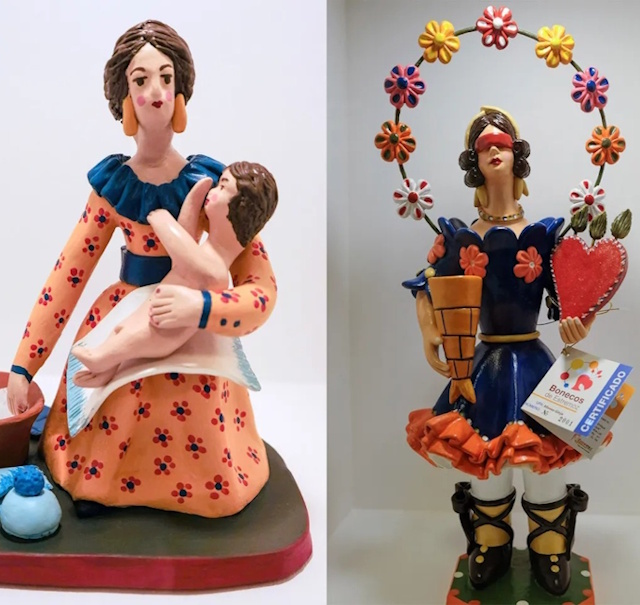
In Estremoz, we will visit some artisans, where you can see how Estremoz clay figures are made. This craft was included in UNESCO's list of Intangible Cultural Heritage of Humanity in 2017. These figures are moulded by hand, fired in an electric kiln, painted and varnished.
Since the 17th century, artisans have been painting Estremoz dolls in their workshops, “dressing” them in costumes from the Alentejo region or with Christian religious iconography. The themes mainly depict natural elements, professions and events from the Alentejo, traditions and popular devotions.
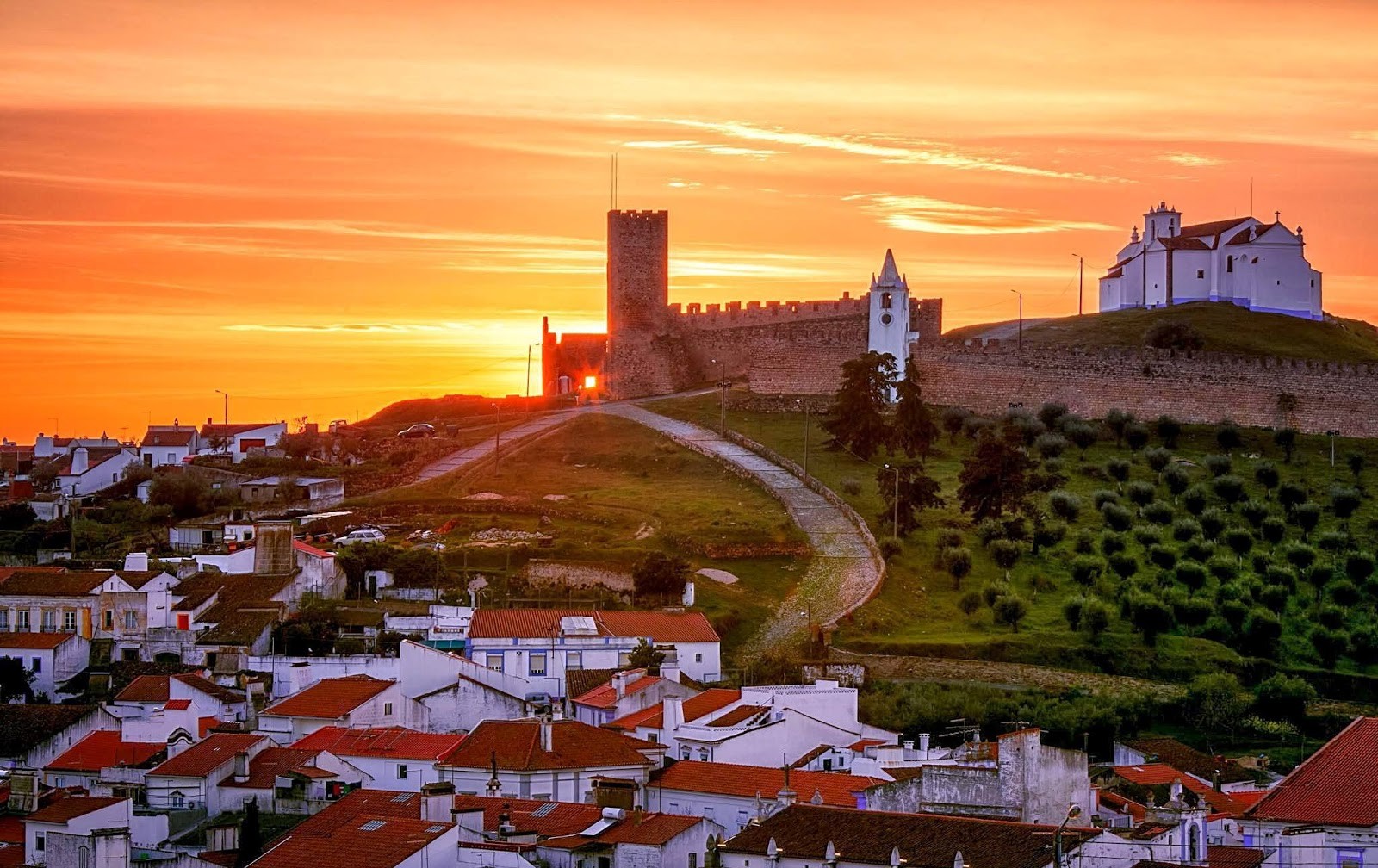
After this visit, we continue to Arraiolos with its castle that stands out over the Alentejo plain. This is the town's best-known monument and one of the only circular castles in the world, towering over the whitewashed houses. The castle is located at an altitude of over 410 m and contains the Igreja Matriz do Salvador, a monument that predates the castle itself, with an interior decorated with frescoes.
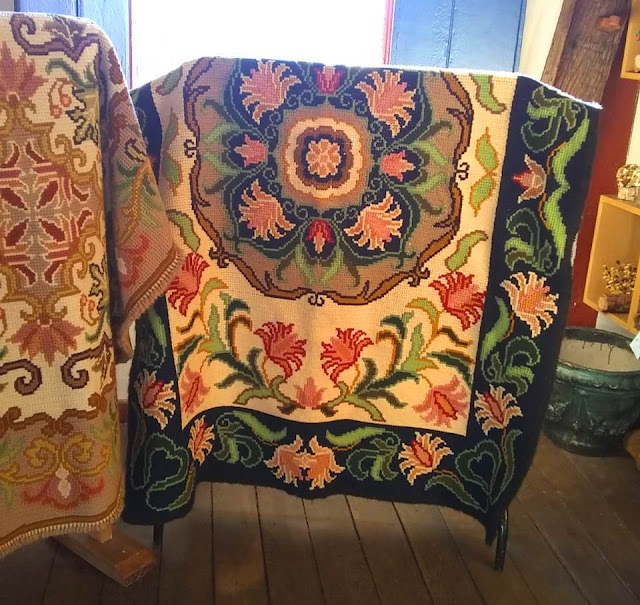
The most famous product of Arraiolos is its centuries-old rugs, hand-embroidered by generations of embroiderers, whom we can observe at work.
Information
Duration: 9 hours
Price: From €570 / per vehicle for up to 4 passengers (Tourism) || From €830 / per vehicle for up to 8 passengers (Family)
Maximum capacity: 2, 4, and 8 passengers / per vehicle
We do not mix different clients and groups. This is the only way we can guarantee the quality of our service, of which we are so proud.
INCLUDED AND NOT INCLUDED IN OUR TOURS:
- Private transportation
- Fuel
- Tolls
- Parking
- Driver/Guide
- Insurance
- VAT
- Meals
- Gratuities, tips, and bribes (optional)
- Personal expenses
- Entrance fees to monuments
- Anything not mentioned as included